PetMathStudio · Updated May 2026
Pet calculators with sourced math.
12 calculators for daily calorie, ideal weight, age, growth, toxicity, and pregnancy — built on NRC, WSAVA, and AAFCO sources. Free, no signup.
- 01 — 4 calculators
Daily feeding
How much to feed today: cups, calories, and the bag-chart vs vet-math gap.
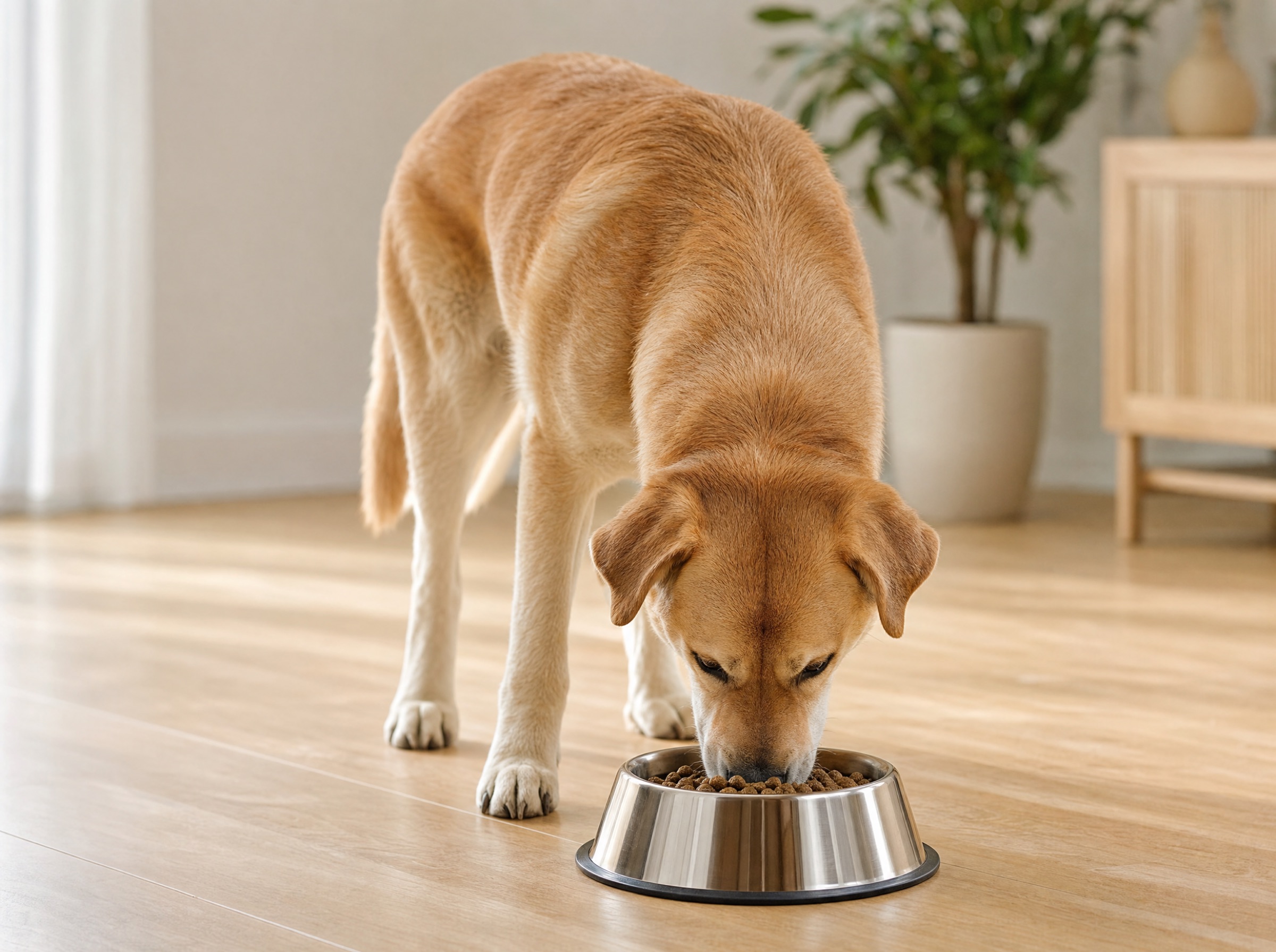 Dog calorie calculatorDaily calories + AM/PM bowl portion. NRC 2006.
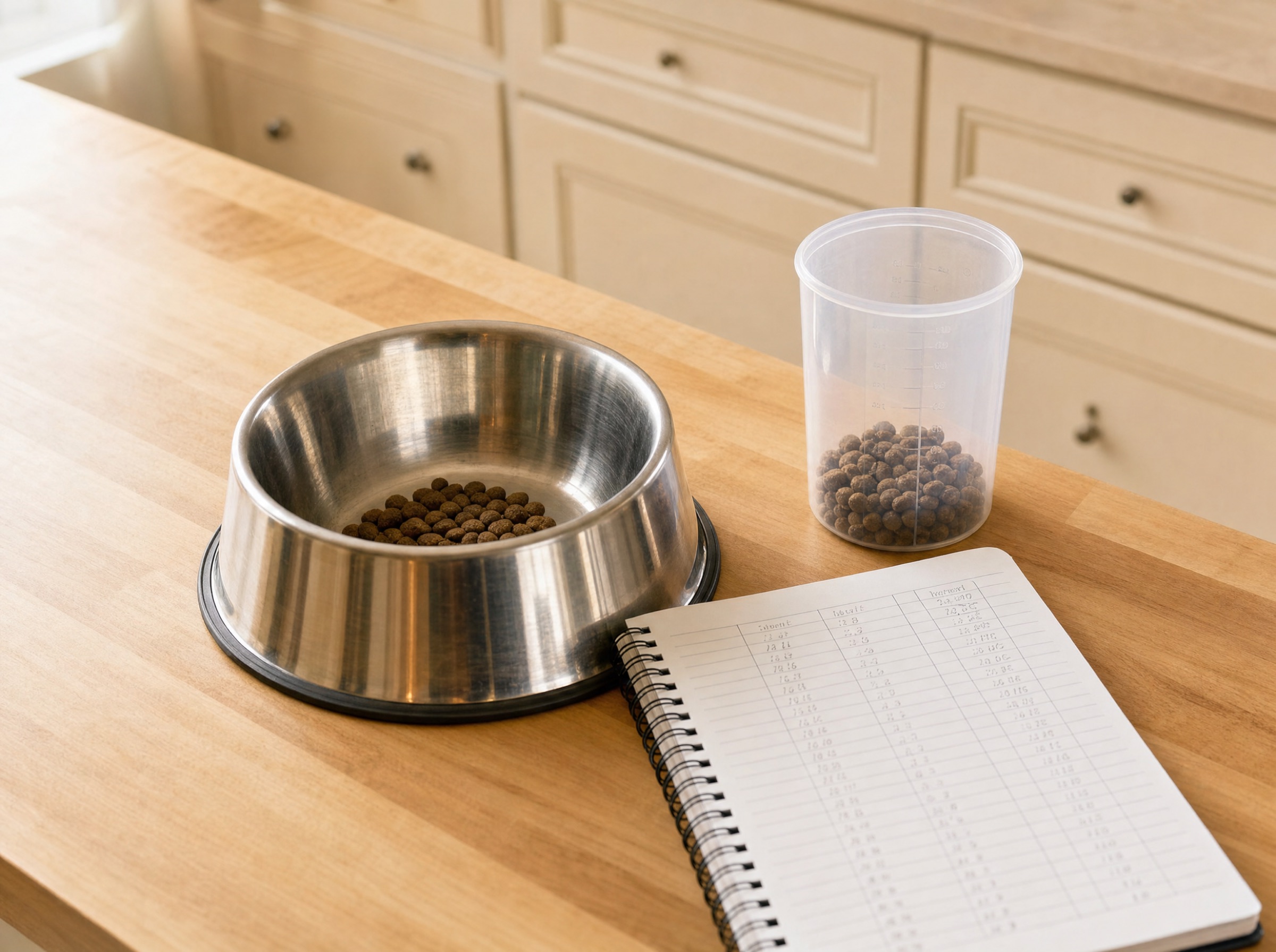 Dog calorie deficit calculatorWeight-loss target sized to ideal weight, not today's.
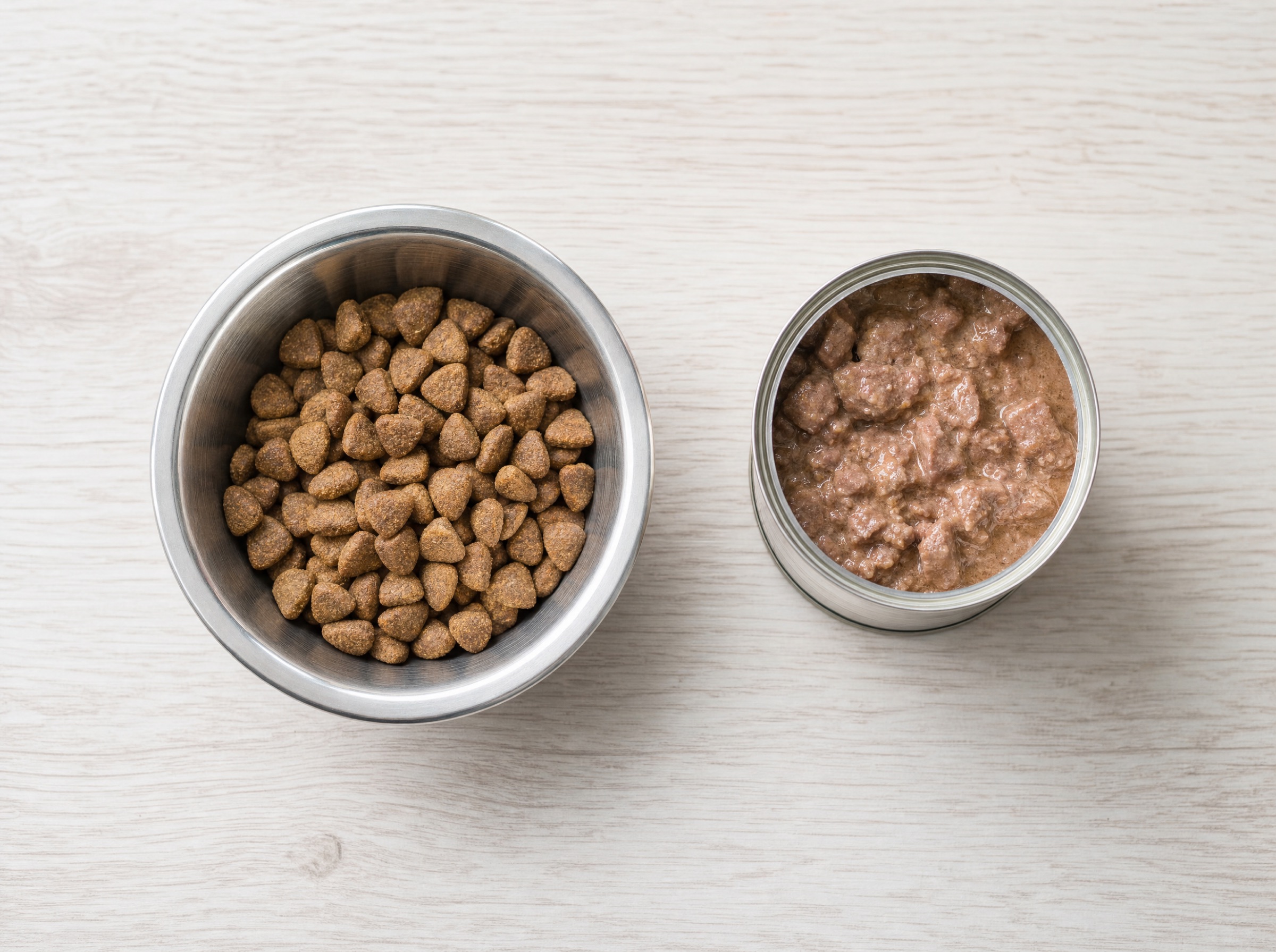 Wet vs dry dog food calculatorCups of kibble vs cans of wet food at matching calories.
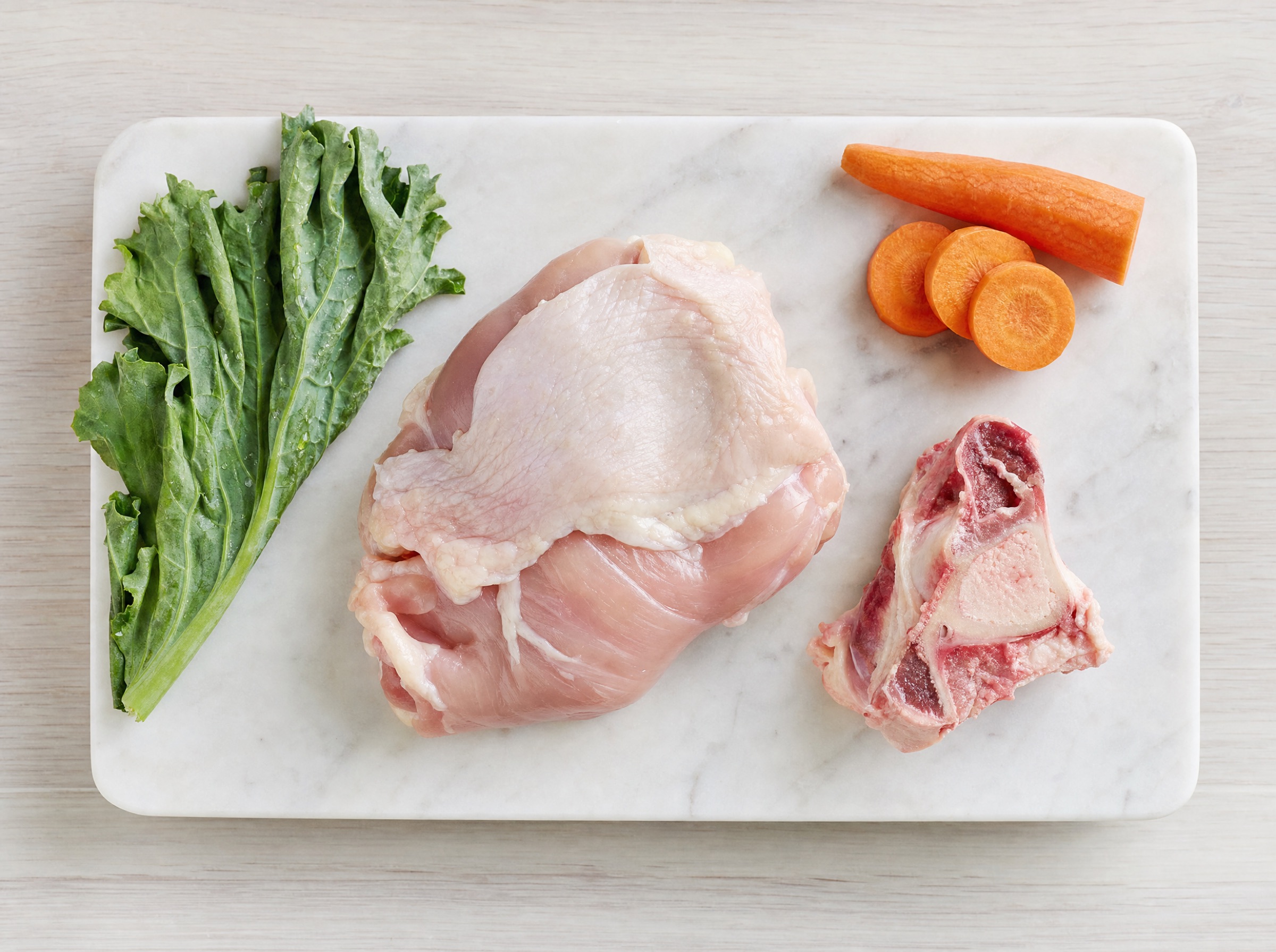 Raw dog food calculatorBARF + PMR daily portions by body weight.
- 02 — 1 calculator
Body shape & weight
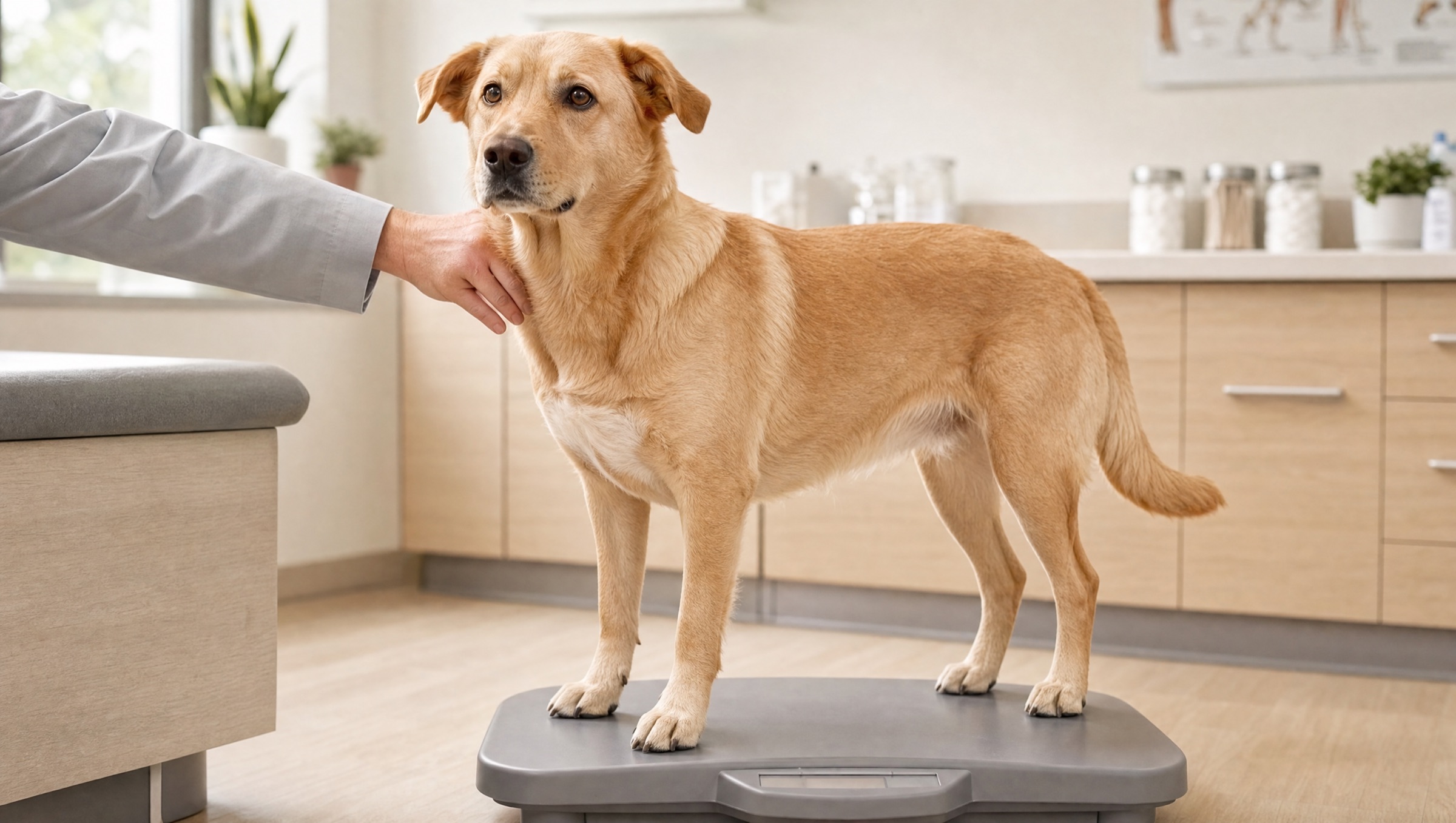
Is my dog at a healthy weight? Body condition score and ideal-weight target.
- 03 — 4 calculators
Age & growth
How old is my dog? How big will my puppy get? Human-years math and adult-size projection.
 Dog age calculatorEpigenetic + size-band human-years. Range, not a single number.
 Dog age calculator by breedBreed-aware adjustment over the size-band baseline.
 Puppy growth calculatorAdult weight from current age × weight × size class.
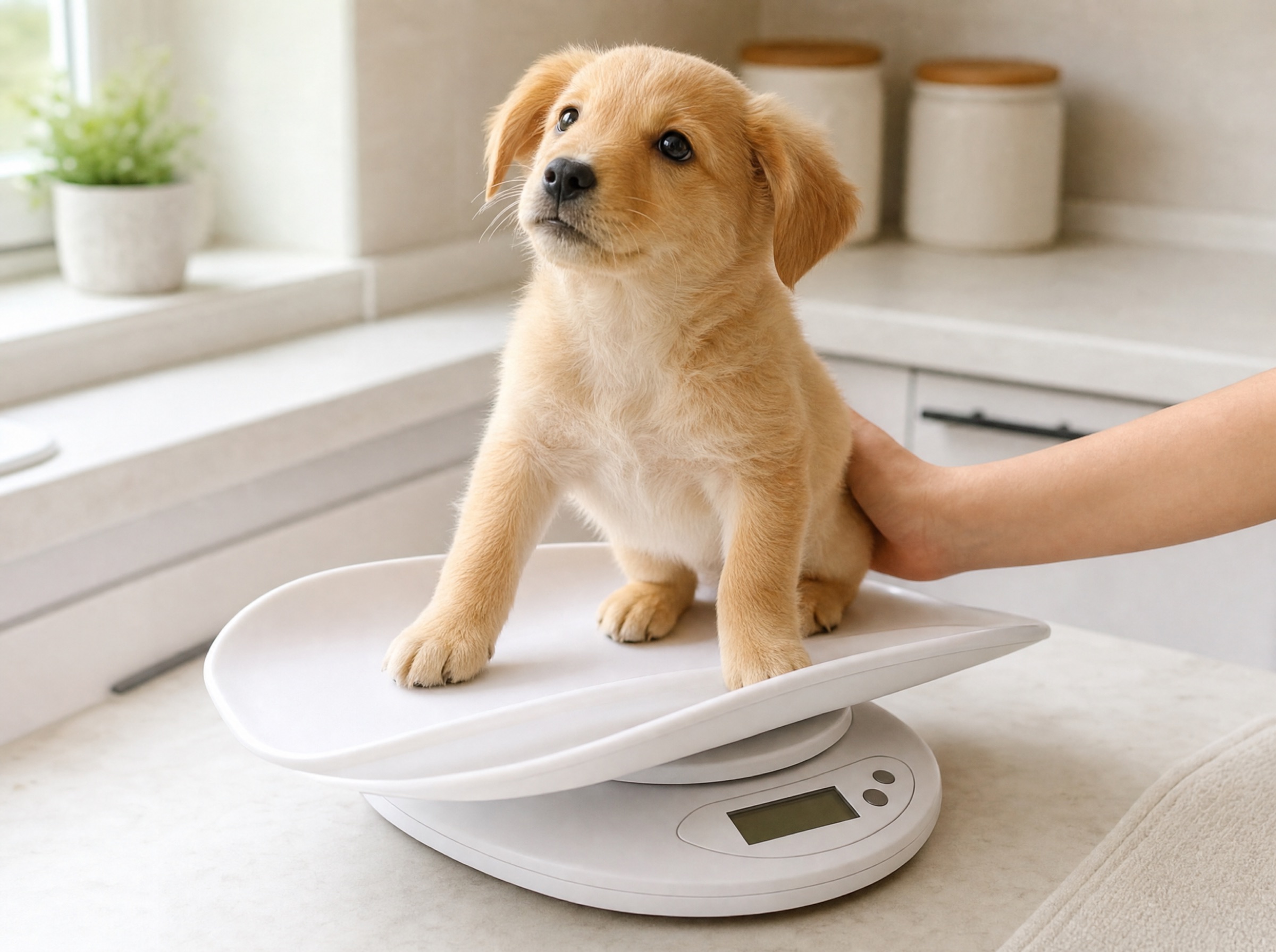 Puppy weight calculatorAdult-size predictor — tighter for purebreds, wider for mixes.
- 04 — 2 calculators
Toxicity triage
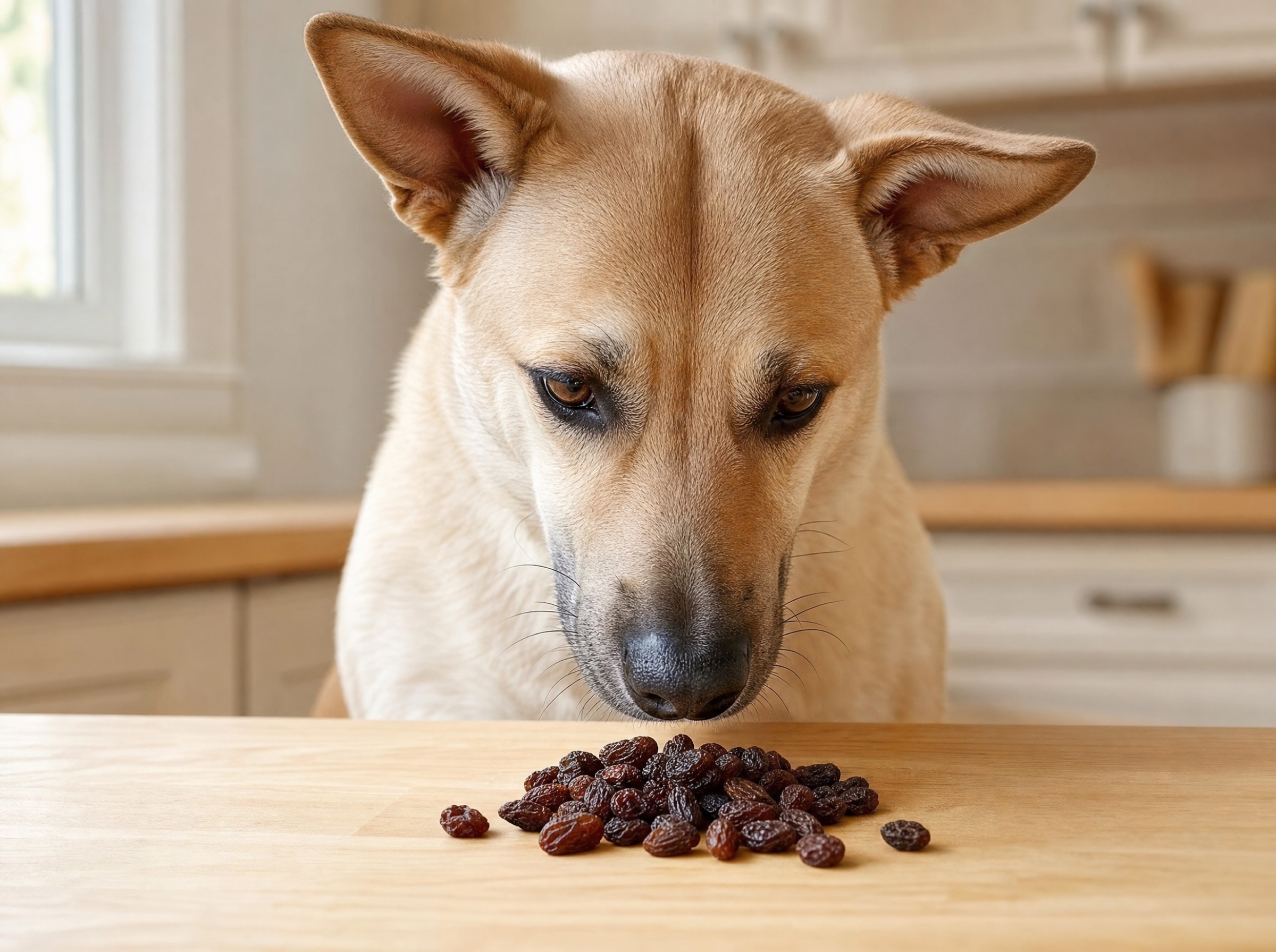
My dog ate something — is it dangerous? Severity tier by weight. Call your vet either way.
- 05 — 1 calculator
Reproduction
When are the puppies due? Whelping windows and the week-by-week timeline.


Looking for the longer-form reading instead? Browse the guides. Methodology, sourcing tiers, and review cadence are documented at /methodology.
Daily calories at common weights
Engine output, not a rule of thumb. Assumes 380 kcal/cup mid-range kibble; adjust your dog's food density in the calculator above for the real number.
| Weight | Puppy 4–12 mo growth × 2.0 | Adult, neutered moderate × 1.6 | Senior, neutered moderate × 1.4 |
|---|---|---|---|
| 5 kg(11 lb) | 468kcal1.2 cups | 374kcal1 cups | 328kcal0.9 cups |
| 10 kg(22 lb) | 787kcal2.1 cups | 630kcal1.7 cups | 551kcal1.5 cups |
| 15 kg(33 lb) | 1,067kcal2.8 cups | 854kcal2.2 cups | 747kcal2 cups |
| 22 kg(49 lb) | 1,422kcal3.7 cups | 1,138kcal3 cups | 996kcal2.6 cups |
| 30 kg(66 lb) | 1,795kcal4.7 cups | 1,436kcal3.8 cups | 1,256kcal3.3 cups |
| 45 kg(99 lb) | 2,432kcal6.4 cups | 1,946kcal5.1 cups | 1,703kcal4.5 cups |
RER = 70 × kg0.75 · MER = RER × multiplier (NRC 2006 / Pet Nutrition Alliance). Multipliers shown above each column. Treats stay under 10% of MER per WSAVA — that budget is shown live in the calculator. See full methodology.
Sourced math, named formulas
Pet owners want real numbers, not vibes. The calculators run the math openly — RER and MER from the NRC's 2006 nutrient requirements volume, body condition from the validated WSAVA 9-point scale, complete-and-balanced framing from the current AAFCO profiles. Every formula is on the page, every multiplier is labeled, and every claim that goes stale carries an updated date.
The opinion that shapes everything: source-first beats voice-polished. A sourced kcal estimate with the formula visible outranks a confident-sounding number you can't audit. Body condition score over four to six weeks is the real feedback loop; the calculator is the starting point, not the verdict.
Common questions
About PetMathStudio
Are the calculators on PetMathStudio free?
Yes. Every calculator on PetMathStudio is free, with no signup, no paywall, no email capture. The site runs ads in some places to cover hosting, but the math, the formulas, and the source citations are all free to read.
Where do the numbers come from?
From the published veterinary nutrition references — the same starting formulas any vet would pull. Daily calorie targets come from the National Research Council's Nutrient Requirements of Dogs and Cats, body condition scoring uses the WSAVA 9-point scale, dog-age estimates come from the 2020 epigenetic methylation paper out of UC San Diego, and toxicity thresholds come from Cornell Veterinary, Merck Veterinary Manual, and ASPCA Animal Poison Control. Every page lists its sources at the bottom.
Why do the puppy and dog-age calculators show a range instead of one number?
Because that's what the underlying research says. Adult-weight projection from puppy weight has a real ±10-30% spread depending on breed and parent info. Dog-age estimation from epigenetic methylation has a real spread per breed and per individual. A single confident number from a calculator that doesn't have that resolution is dishonest. We show the range and label the assumptions instead.
Should I use this calculator instead of calling my vet?
No. The calculators are starting points — same starting points the vet would use — not replacements for veterinary judgment. For toxicity, weight loss, pregnancy, or any health-adjacent decision, the calculator gives you a number to walk into the conversation with, not a number to act on alone. Every YMYL surface on this site says 'call your vet' explicitly.
How often is the content reviewed?
Calculator and guide pages carry an 'Updated' date at the top. Durable claims (formulas, breed standards) are reviewed annually. Time-sensitive content (cost data, toxicity thresholds when ASPCA, Cornell, or Merck update them) is reviewed when the underlying source updates. See /editorial-policy for the full review cadence and corrections process.